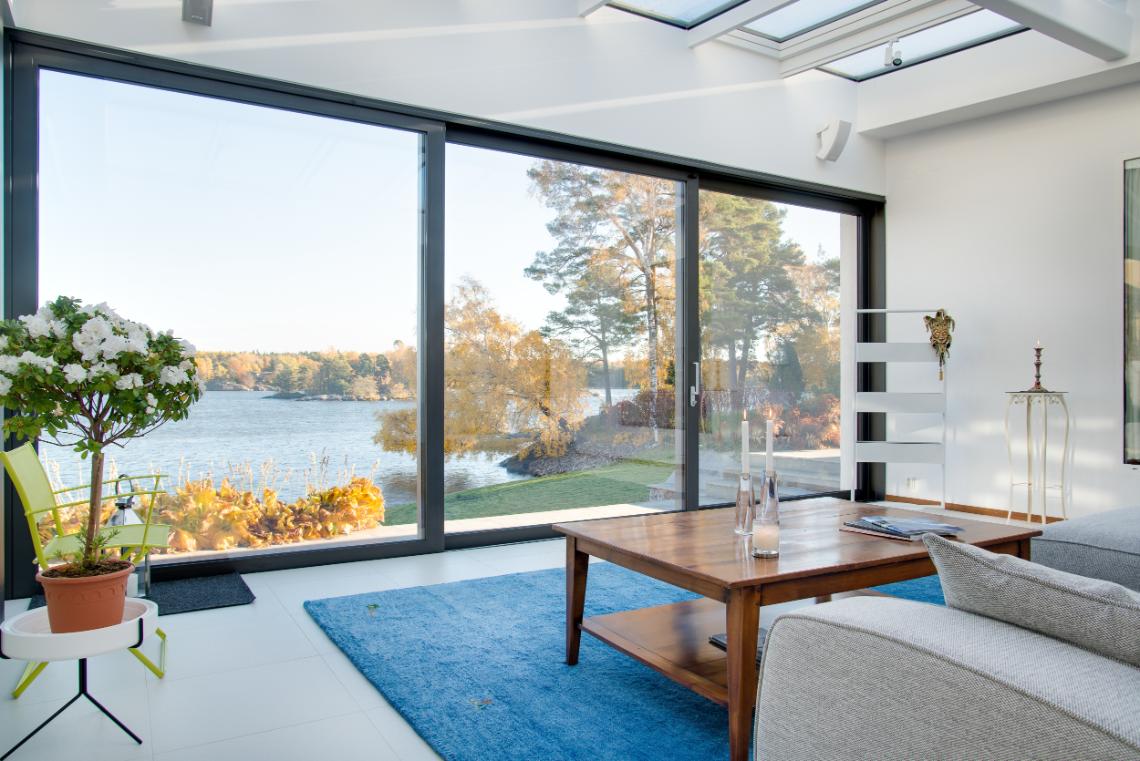
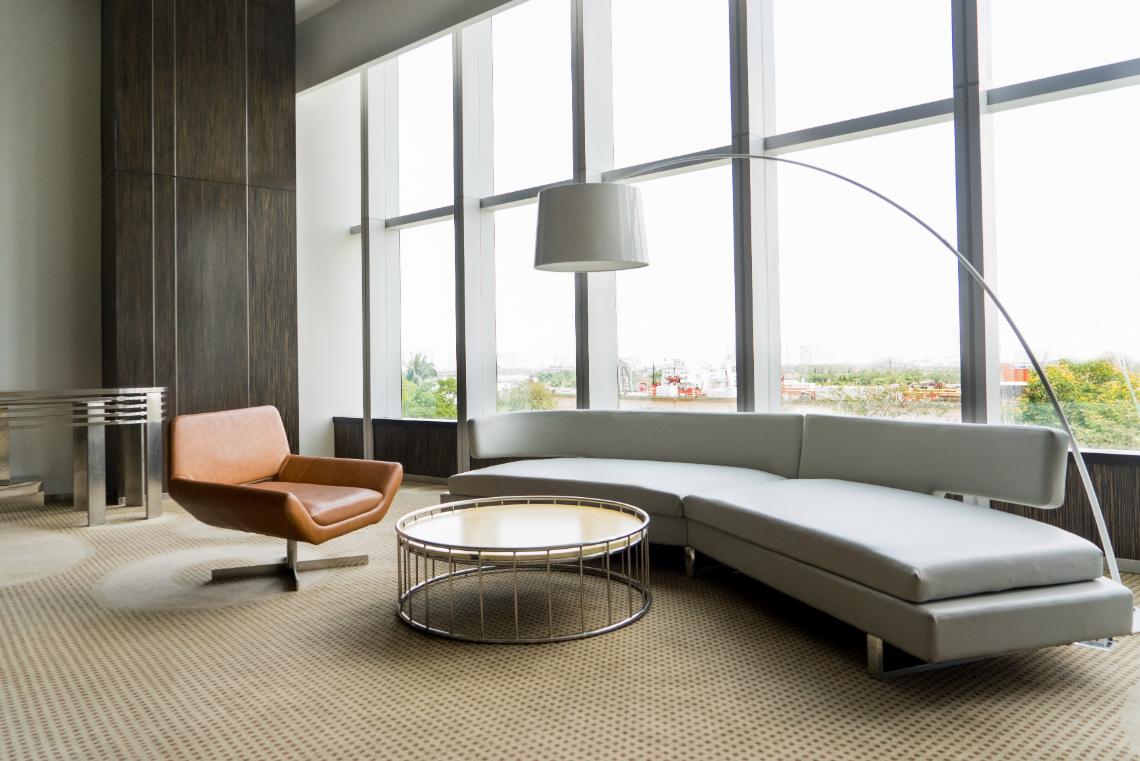
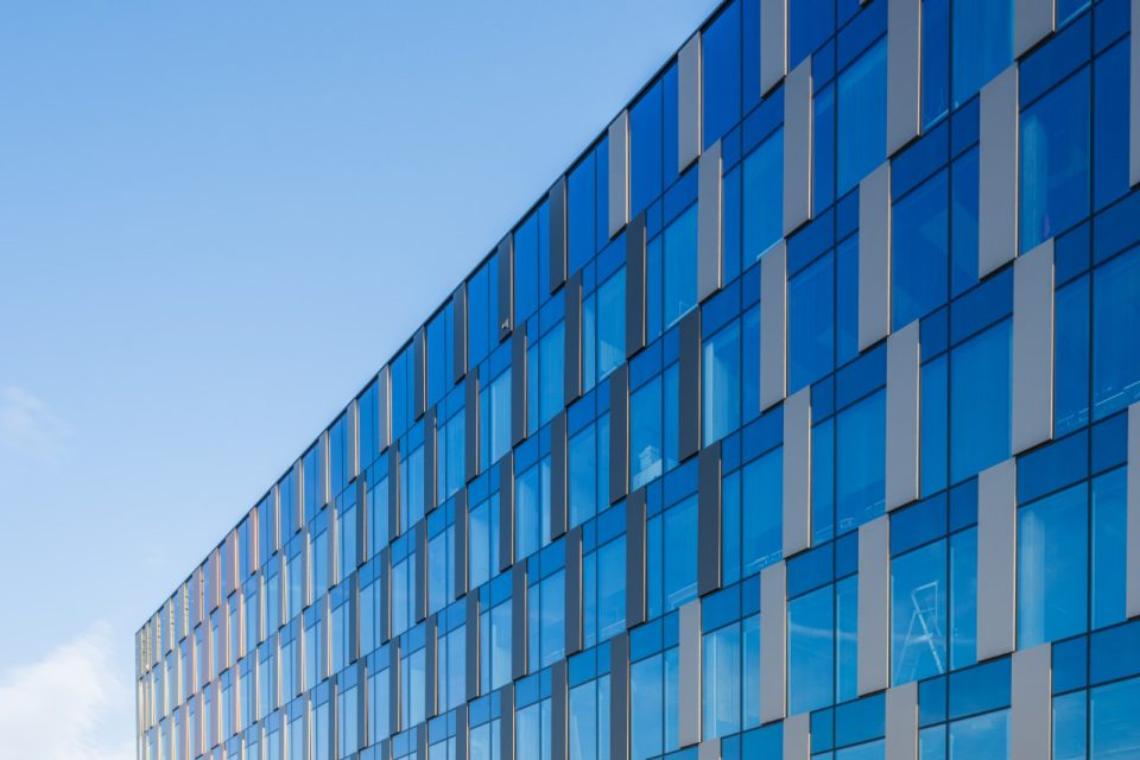
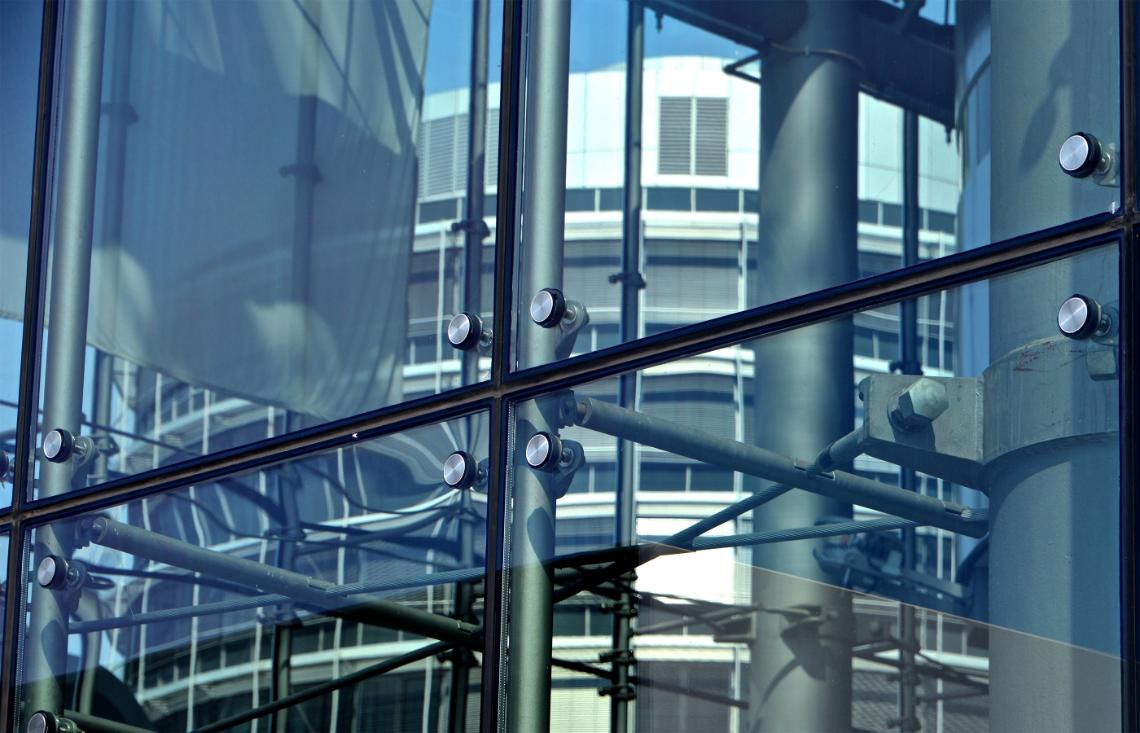
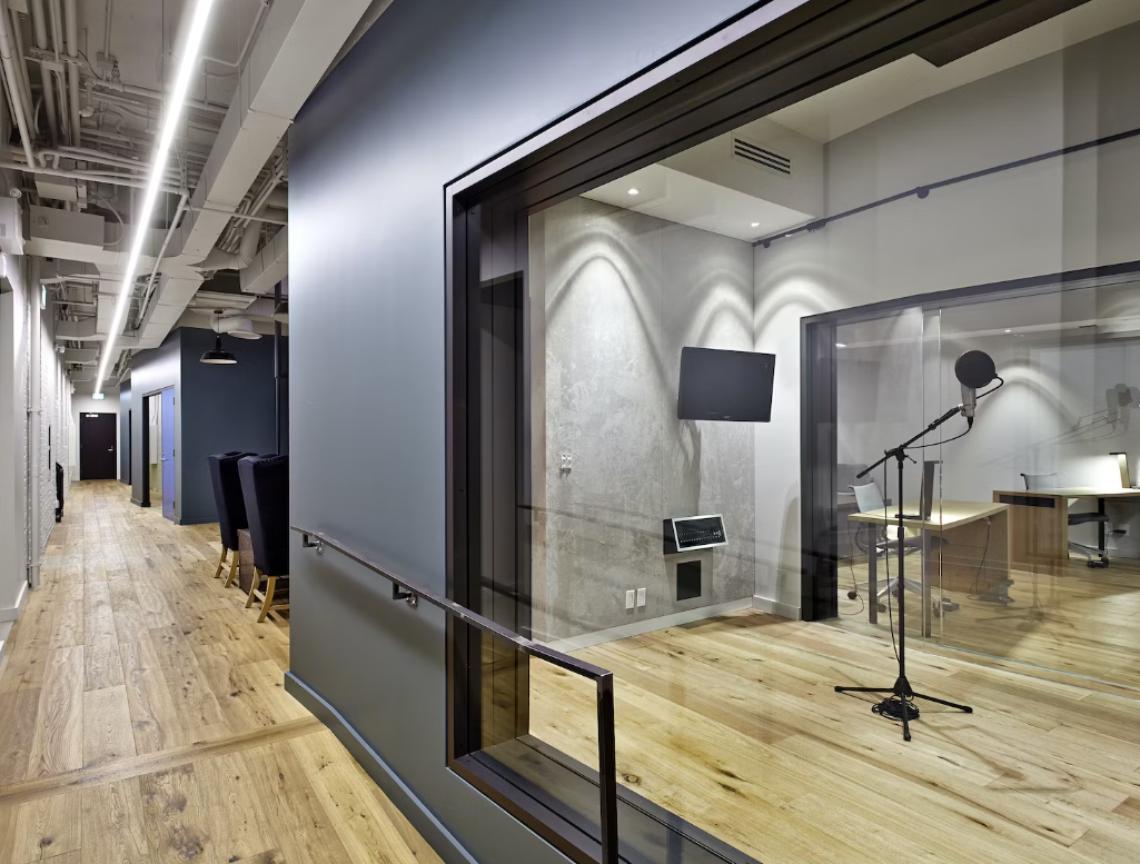
Vitrotermo double glazing is a solution capable of generating comfort and efficiency in residential and corporate buildings.
Considering the orientation, the surroundings, and the location of each project, we must take into account the following indicators:
Percentage of natural light, in its visible spectrum, that passes through glass.
The amount of heat that transfers from one side of the glass to the other. Measure of heat gain or loss through a pane of glass (due to the difference between the inside and outside temperature). The smaller the value, the lower the losses and the better the insulation.
Measure that indicates the amount of solar energy that is transmitted through the glass, in relation to the total incident solar energy. It is the sum of direct solar energy transmission plus indirect solar energy transmission to the interior.
This refers to the average between the isolation of all frequencies (low, medium and high) in a given space.
Depending on the emissivity and temperature of their surfaces, all materials (including windows) radiate heat in the form of long-wave infrared energy. Low emissive double glazing results from the deposition of a coating on one of the panes of the double glazing unit, which considerably improves the quality of the thermal insulation.
Thermal insulation glass is characterized by its high light transmission (TL) and low heat transmission (Ug). This allows you to maximize the maintenance of solar energy in a house or building to create the “passive” heating effect, therefore reducing dependence on artificial heating, without compromising the amount of visible light that is transmitted.
Compared to conventional glass, low emissive double glazing retains more than 90% of the heat energy in a given space.
Its particular characteristics make it an ideal glass for areas where sunlight does not fall strongly during the day.
Large windows, facades, and skylights provide natural light and visual comfort. However, the solar energy passing through these can also cause excessive and uncomfortable temperature increases.
Solar control covers have a high light transmission (TL) and a relatively low solar factor (g). These characteristics ensure that the amount of solar heat transmitted into the interior of a house or building is lower, therefore keeping environments cooler.
In this way it is also possible to reduce air-conditioning-related energy consumption while preserving natural light and contact with the outside environment.
It is a type of glass with very special characteristics and is seen as an advantage in the optimization of resources, in the energy balance, and in the protection of the environment.
The combination of these two glasses arises from the need to respond to new regulations for thermal insulation and solar control in new or renovated buildings in the residential sector.
The solutions, which have thermal insulation and solar control properties, are characterized not only by their diversity in light transmission (TL), but also by their low thermal transmission (Ug) and solar factor (g) values. Double glazing that meets these conditions allows for greater comfort in your home while saving on air conditioning.
It is also important to highlight the coefficient that shows the relationship between light transmission and the solar factor. Technically, the selectivity index is equal to the light transmission value divided by the solar factor value. In other words, it refers to the amount of light a pane of glass allows to enter in relation to the amount of heat it radiates.
According to the specifications, a sheet of glass needs a selectivity index greater than or equal to 1.25 to be considered a selective spectrum glass. However, for a cover glass to be highly selective, the reference index will have to be equal to or greater than 2.
If a glass has selectivity index 1, it means that it allows light and heat to pass through in the same proportion. If it is a glass with selectivity index 2, it means that it will pass twice as much light compared to heat.
The higher the selectivity index, the greater the efficiency of the glass as a source of daylight.
The development of laminated glass allows for optimized acoustic attenuation solutions. Laminated glass plays a fundamental role in urban environments, providing greater comfort by reducing the impact of noise pollution (such as traffic sounds, sirens, and alarms), benefiting your moments of rest, leisure, and work.
In order to characterize the acoustic quality of glazing, the weighted sound reduction index Rw is used. This determines the ability of the glass to prevent the transmission of sound from the outside. The applicable scale is evaluated by its sound reduction rating, known as R (dB).
The overall weighted sound insulation index values are calculated in accordance with the UNE EN ISO 717 Standard. Their results are expressed:
Rw is the overall insulation index, which refers to an average between the insulation at all frequencies, also called the “Weighted sound absorption coefficient”.
Rw + C = Weighted sound reduction index to pink noise (mid and high frequencies).
The terminology C refers to the pink noise spectrum adaptation value (high-pitched sounds). For example: fast road traffic >80 Km/h, proximity of an airplane, activities of daily life (words, radio, TV, music). For example: fast road traffic >80 Km/h, proximity of an airplane, activities of daily life (words, radio, TV, music).
Rw + Ctr = Weighted sound reduction index to traffic noise (low and medium frequencies)
The terminology Ctr refers to the adaptation value of the normalized traffic noise spectrum (low sounds). For example: urban traffic, disco music, slow road traffic, railway terminals, long distance airplane, helicopters.
At Vitropor, we approach glass with curiosity, research, and learning, strengthening innovation and continuous improvement.